
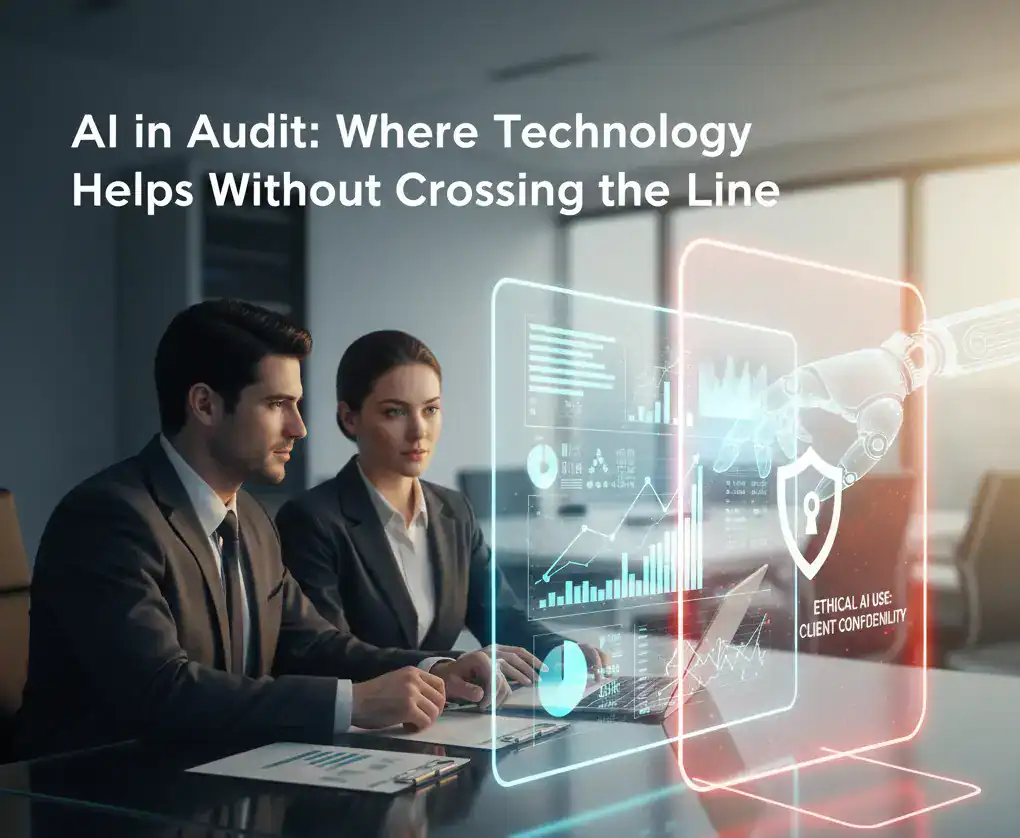
Audit is not accounting with more rules. It is a discipline built on judgment, skepticism, and responsibility.
That is why many auditors view AI with caution. And they are right to do so.
The problem is not whether AI is powerful enough for audit. The problem is understanding where its role should begin and end.
Audit Does Not Need Automated Judgment
Auditors are trained to evaluate evidence, assess risk, and apply professional judgment in context. These are not mechanical tasks, and they should not be delegated to algorithms.
Any system that claims to “decide” audit outcomes misunderstands the profession.
Audit quality does not improve when responsibility is outsourced. It improves when judgment is supported by better information.
Where Audit Actually Breaks Down
Most audit failures do not come from incorrect judgment. They come from incomplete visibility.
Key issues are often missed because:
- Relevant data is spread across disconnected systems
- Cross-checks are performed manually and selectively
- Risk assessment relies on static planning rather than evolving signals
- Documentation is assembled after decisions have already been made
By the time inconsistencies surface, timelines are tight and options are limited.
This is not a human problem. It is a structural one.
The Right Role of AI in Audit
AI can strengthen audit without replacing auditors by operating in three specific areas:
First, coverage. AI can scan full populations instead of samples, flagging unusual patterns without assuming intent or materiality.
Second, consistency. It can cross-reference ledgers, confirmations, contracts, and supporting documents continuously, not just at fixed milestones.
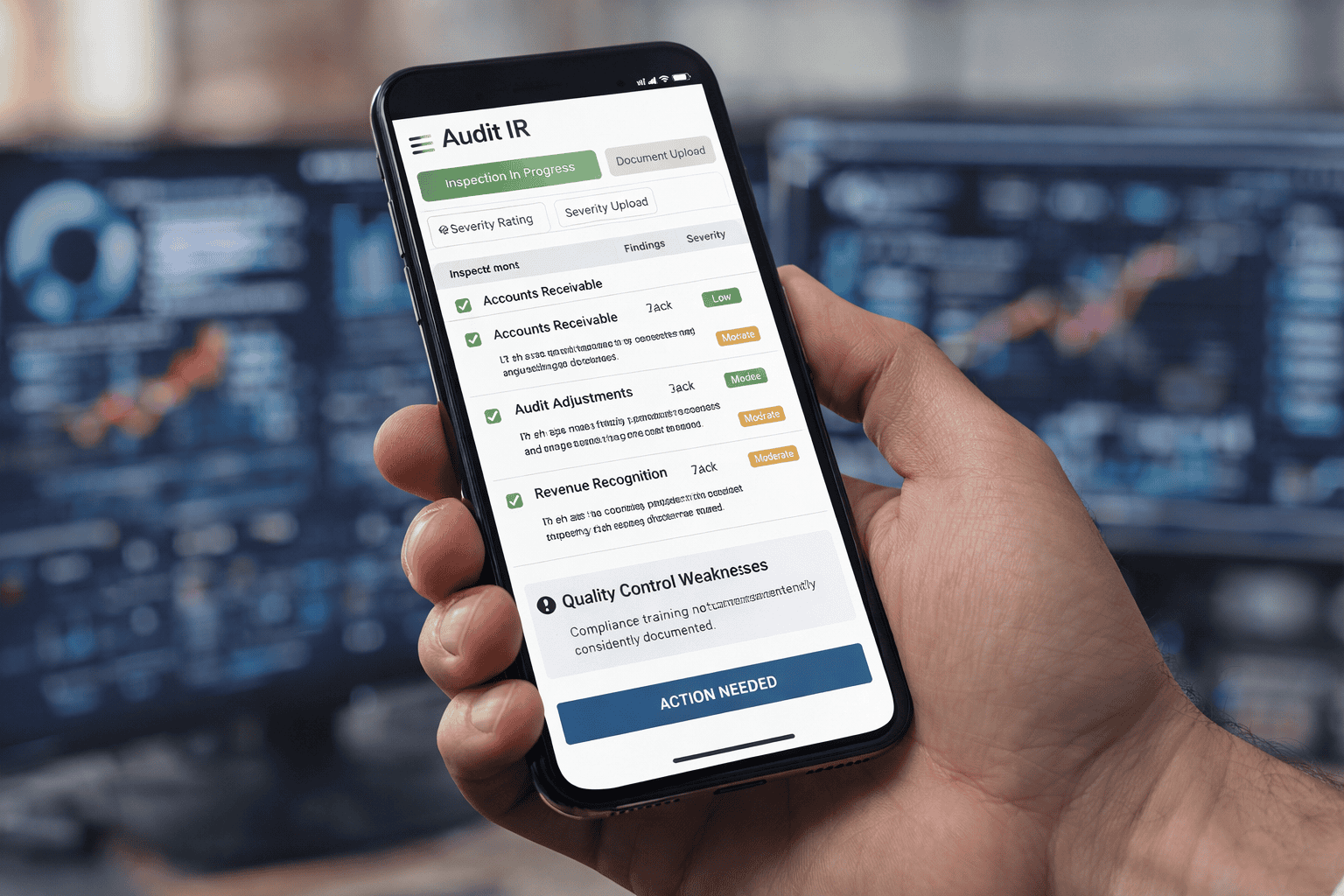
Third, awareness. It can show, in real time, which areas have sufficient evidence and which require deeper review.
In all three cases, the output is not a conclusion. It is a signal.
The auditor remains in control.
From Reactive to Proactive Audit
Traditional audits are reactive by design. Issues are discovered after procedures are completed.
AI enables a more proactive approach:
- Risks surface earlier
- Effort is directed where it matters most
- Documentation is built alongside analysis, not after the fact
This does not change audit standards. It changes execution quality.
Why This Matters Now
Audit complexity is increasing. Data volumes are larger, transactions are more complex, and expectations around quality and defensibility continue to rise.
At the same time, teams are stretched thin.
In this environment, relying solely on manual processes is not conservative. It is risky.
AI, when used correctly, does not weaken audit rigor. It reinforces it.
A Quiet Shift, Not a Revolution
The future of audit will not be loud. There will be no dramatic handover of responsibility to machines.
Instead, there will be a gradual shift toward systems that:
- Keep auditors oriented
- Surface what deserves attention
- Reduce blind spots without reducing accountability
That is not disruption for its own sake. It is alignment between technology and professional standards.